The Teachings
What Is Studied in the Courts of the Temple.
What we study is public. How it is conferred is not. Everything below is open to any seeker in the Outer Court of Kemet's (ancient Egypt's) initiatic tradition.
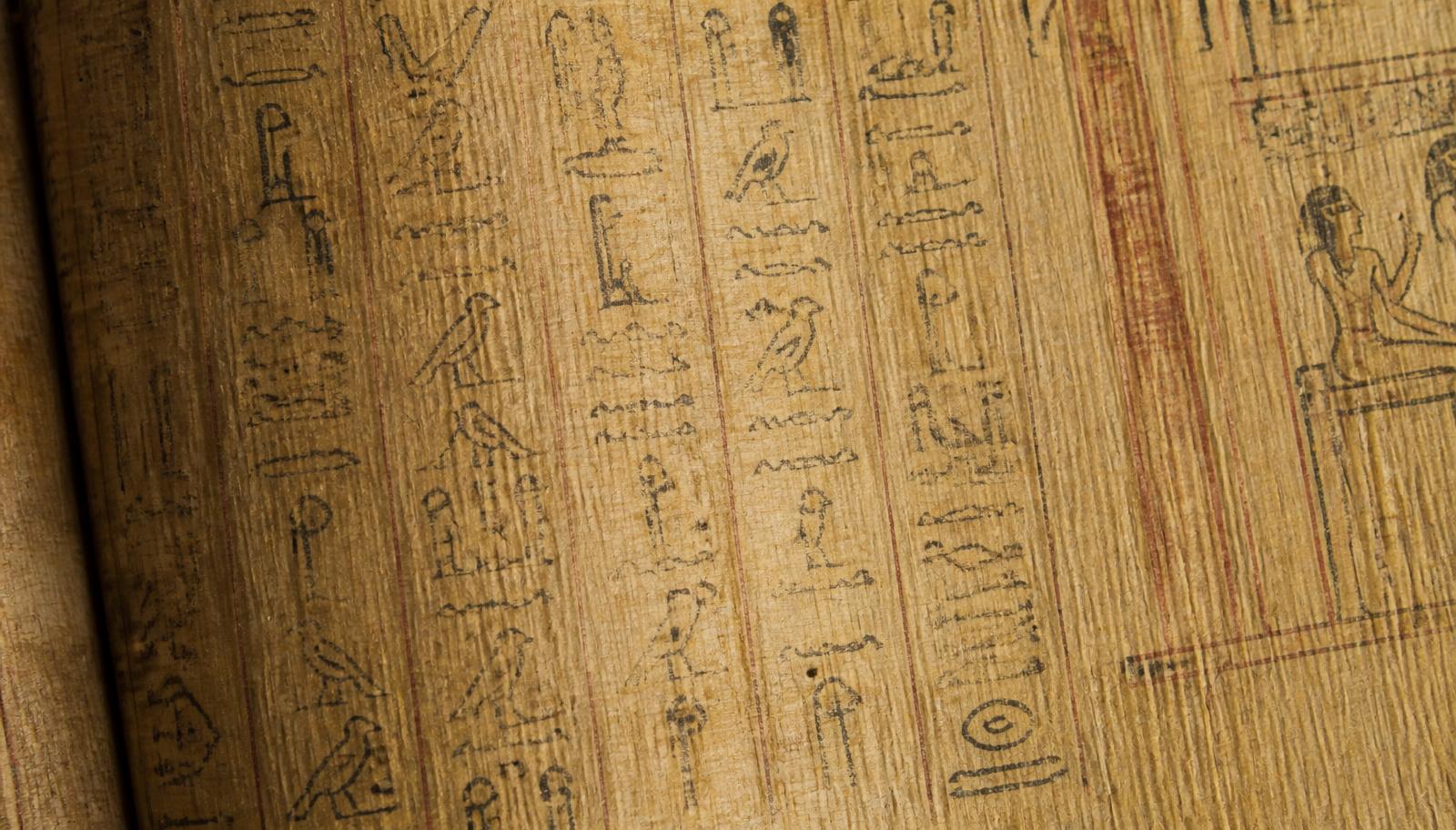
Spell 125 · Papyrus of Ani
Ma'at — The 42 Declarations
- 01
I have not committed sin.
- 02
I have not committed robbery with violence.
- 03
I have not stolen.
- 04
I have not slain men or women.
- 05
I have not stolen grain.
- 06
I have not purloined offerings.
- 07
I have not stolen the property of the Neteru.
- 08
I have not uttered lies.
- 09
I have not carried away food.
- 10
I have not uttered curses.
- 11
I have not committed adultery.
- 12
I have made none to weep.
- 13
I have not eaten the heart.
- 14
I have not attacked any man.
- 15
I am not a man of deceit.
- 16
I have not stolen cultivated land.
- 17
I have not been an eavesdropper.
- 18
I have not slandered any man.
- 19
I have not been angry without just cause.
- 20
I have not debauched the wife of any man.
- 21
I have not polluted myself.
- 22
I have terrorized none.
- 23
I have not transgressed the law.
- 24
I have not burned with rage.
- 25
I have not stopped my ears against the words of right and wrong.
- 26
I have not worked grief.
- 27
I have not acted with insolence.
- 28
I have not stirred up strife.
- 29
I have not judged hastily.
- 30
I have not been an eavesdropper on private affairs.
- 31
I have not multiplied words exceedingly.
- 32
I have wronged none, I have done no evil.
- 33
I have not worked witchcraft against the King.
- 34
I have never stopped the flow of water.
- 35
I have never raised my voice.
- 36
I have not cursed the Divine.
- 37
I have not acted with arrogance.
- 38
I have not stolen the bread of the Neteru.
- 39
I have not carried away the khenfu cakes from the spirits of the dead.
- 40
I have not taken the bread of a child, nor treated with contempt the Neter of my city.
- 41
I have not slaughtered the cattle of the Neteru.
- 42
I have not spoken with a haughty heart.
The Seven Principles of Ma'at
Truth
What is real is spoken plainly, without ornament.
Justice
Each is given what is due, without favor.
Harmony
Difference is arranged, not erased.
Balance
No faculty is fed at the cost of another.
Order
Work is done in its proper season and place.
Reciprocity
What is received is returned and increased.
Propriety
Conduct fits the moment, the place, and the company.
The Mystery System
The Ten Virtues
- 01
Control of thought
The mind is disciplined before the hands are trusted.
- 02
Control of action
Conduct is measured, never impulsive.
- 03
Steadfastness of purpose
The work is finished, not merely begun.
- 04
Identity with the spiritual life
The higher life is lived, not admired from a distance.
- 05
Evidence of a mission in life
There is work only you were placed here to do.
- 06
Evidence of a call to spiritual orders
The path chooses you as much as you choose it.
- 07
Freedom from resentment under persecution and wrong
Injury does not become bitterness.
- 08
Confidence in the power of the master
The teacher is trusted through the difficult passage.
- 09
Confidence in one's own ability to learn
You believe you can be taught.
- 10
Readiness for initiation
You are prepared before you are received.
Abu Simbel to Ghizeh
The Faculties of the Priest
Maa
Sight — seeing beyond the physical.
Sedjm
Hearing — hearing what the ancestors say.
Hu
Feeling and taste — direct perception of vibration.
Sa
Reason — understanding what has been perceived.
Per Ankh · House of Life
The Seven Liberal Arts
Grammar
The right ordering of the word.
Rhetoric
The word placed where it can do work.
Logic
The test of what follows from what.
Arithmetic
Number as the first language of the Neteru.
Geometry
Measure applied to earth and to temple.
Music
Proportion made audible.
Astronomy
The turning of the sky, and orientation by it.
Correspondences
The Neteru and the Working Tools
| Neter | Office and tool |
|---|---|
| Ptah | The Great Architect — the trowel. |
| Tehuti (Thoth) | The Word and geometry — the compass. |
| Ma'at | The level, the plumb, and the square. |
| Seshat | The cord and the foundation. |
| Ausar (Osiris) | The Master's rite of death and rising. |
| Auset (Isis) | The veil — the Widow. |
| Heru (Horus) | The All-Seeing Eye — the Widow's Son. |
| Imhotep | The first Grand Architect. |
| Amen Ra | The Hidden and the Manifest — the Light in the East. |
Khuti · Wa · Wa-Set
Orientation and Sacred Geometry
To orient is to turn to the east, to the rising sun. Every temple, every lodge, and every craftsman takes bearing from the same point of light.
The Kemetic Khuti is light. Wa is one. Wa-Set — Waset — is the One Seat: the place where the One is seated and the light is received.
Geometry follows orientation. The square base is the earth, the four faces rise to a single point, and the benben capstone receives the first light of morning while the base is still in shadow.